Granny Pods are becoming a popular solution for those who are looking to balance independence with care for their aging loved ones. As we look toward 2026, these compact dwelling units are capturing the interest of architects, city planners, and families alike. Their affordability, versatility, and potential to transform living arrangements make Granny Pods a viable option for many households.
Understanding the Concept of Granny Pods
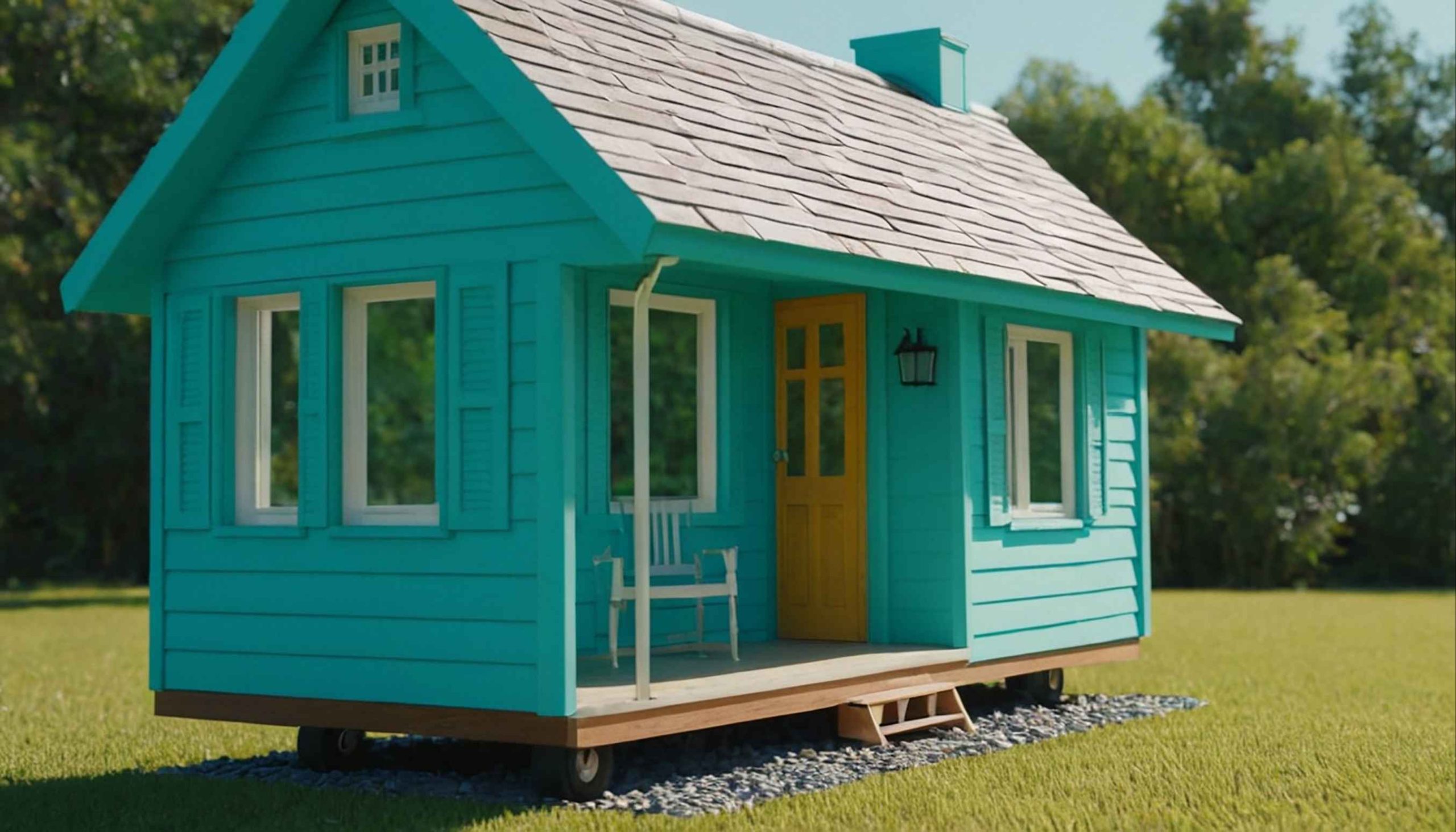
Granny Pods, also known as accessory dwelling units (ADUs), are small, self-contained units that can be placed on the property of a primary residence. These units are designed to provide a secure and convenient living space for elderly family members while keeping them nearby for family support. Equipped with a kitchenette, bathroom, and specialized safety features, Granny Pods ensure a balance between privacy and accessibility.
Granny Pods offer an attractive alternative to traditional retirement homes. They provide a sense of autonomy for seniors, enabling them to maintain regular interactions with family without sacrificing their independence. Learn more about these versatile units by visiting this resource.
The Rise of Granny Pods in 2026
As we approach 2026, the popularity of Granny Pods is surging, and several factors contribute to this upward trend. With housing prices continuing to rise and an aging population looking for affordable housing options, Granny Pods offer a cost-effective solution. Additionally, more communities are recognizing the value of ADUs in solving housing shortages, prompting legislative changes that facilitate the installation of these units.
Technological advancements play a critical role in the evolution of Granny Pods. Modern designs integrate smart technology, enhancing safety and convenience. Innovations in construction, such as prefab and panelized kits, further drive costs down, making Granny Pods a feasible option for many. For planning and design inspiration, you can consult this resource.
Affordable Granny Pod Options
The financial aspect of Granny Pods is often a deciding factor. Fortunately, there is a wide variety of affordable choices designed to suit different budgets. From DIY kits to fully-equipped models, here are some options:
- Prefab Panelized Kits: These are available in sizes ranging from 600 to 1,200 sq ft and can be customized to meet specific needs. Explore options at Pacific Modern Homes.
- Custom Builds: Tailored solutions often include bespoke features and finishes, albeit at a slightly higher cost.
- Studio-Shed Units: These units are quick to install and come with modern aesthetics. More information can be found here.
- Repurposed Shipping Containers: An eco-friendly and economical choice for creative homeowners.
- Fully-Equipped Models Under $50K: A Pinterest board highlights some budget-friendly options: View here.
Pricing Overview
Below is a table illustrating various Granny Pod options, complete with estimated costs and locations:
| Provider | Price Range | Location |
|---|---|---|
| Pacific Modern Homes | $40,000 - $100,000 | Nationwide |
| Studio Shed | $30,000 - $80,000 | Colorado |
| Prefab Home Builders | $20,000 - $70,000 | California |
| Granny Flats Designs | $50,000 - $90,000 | Texas |
| Custom Builder Solutions | $60,000 - $150,000 | Oregon |
Future Implications and Benefits
Granny Pods offer more than short-term solutions; they represent a shift in how families and communities view aging and housing. They enable multi-generational living, foster stronger family bonds, reduce the strain on public resources, and provide a viable option for supported independence. As we look to 2026, the continued evolution of Granny Pods is set to play a significant role in modern housing solutions, ensuring seniors live comfortably, affordably, and with dignity.
In conclusion, the rise of affordable Granny Pods is a trend worth watching. With options for various budgets and needs, they offer a compelling alternative to conventional living arrangements for seniors. By 2026, these innovative living spaces are expected to be even more integrated into American housing, enriching family life while providing practical and cost-effective solutions.