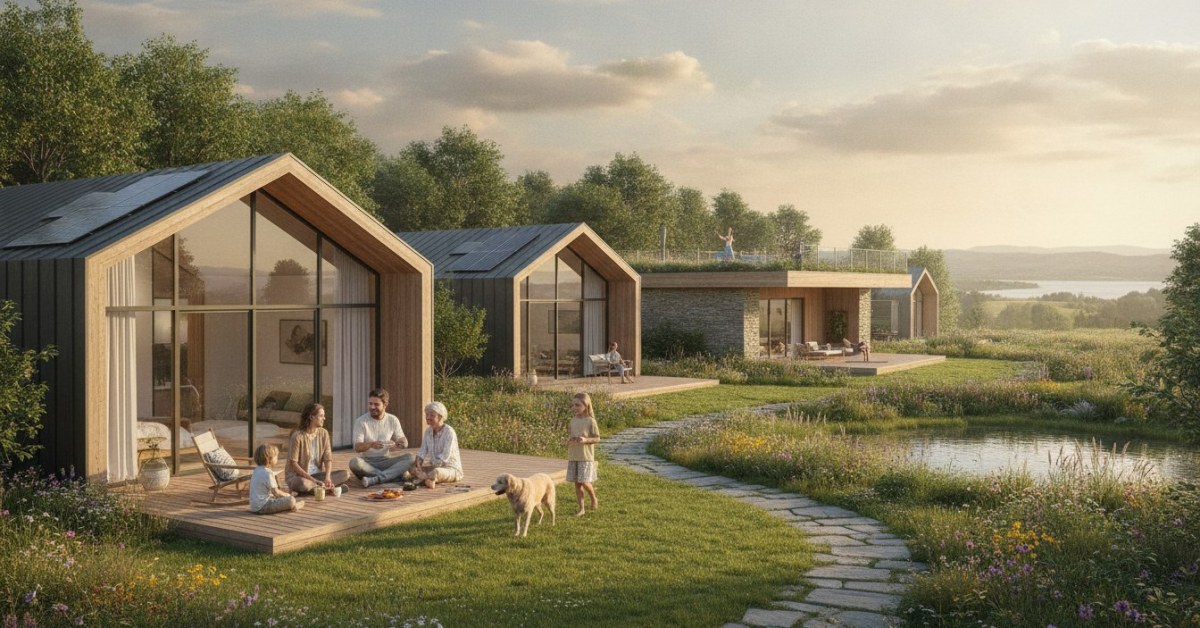
Bungalows have long been a cherished architectural style, offering simplicity, accessibility, and charm. As we look towards the future, the demand for accessible and eco-friendly bungalows in New Zealand is rising, driven by a growing interest in prefab homes and sustainable living. Whether you're considering a move to an accessible bungalow or curious about future living trends, this article will guide you through what to expect in the coming years.
Move to Accessible Bungalows
The shift towards accessible bungalows is becoming a prominent trend in New Zealand. With an aging population and a focus on inclusivity, these homes are designed to accommodate everyone, from young families to seniors. Accessible bungalows feature open floor plans, single-level living, and user-friendly amenities that enhance mobility and comfort.
For instance, the Hotel Palm Beach Bungalows in New Zealand offers a glimpse into the blend of accessibility and luxury. These bungalows are not just functional but also aesthetically pleasing, making them a popular choice for travelers seeking comfort and style.
Future Bungalow Living Tips
As you consider future bungalow living, here are some tips to keep in mind:
- Embrace Sustainability: Incorporate eco-friendly materials and energy-efficient systems to reduce your carbon footprint.
- Consider Prefab Options: Prefabricated bungalows offer a cost-effective and time-saving alternative to traditional construction.
- Plan for Accessibility: Incorporate features such as wider doorways, ramp access, and non-slip flooring to ensure your home is accessible to all.
- Focus on Outdoor Spaces: Bungalows often come with ample outdoor areas. Make the most of these spaces by creating inviting gardens or patios.
Accessible Bungalow Plans
When designing or purchasing an accessible bungalow, it's essential to have a clear plan that meets your needs. Consider the following elements:
- Open Floor Plan: An open layout eliminates barriers and enhances mobility.
- Smart Home Technology: Integrating technology such as voice-activated controls can improve convenience and accessibility.
- Universal Design Principles: Ensure your bungalow is adaptable to various needs by incorporating universal design principles.
Bungalow Living in 2026
By 2026, bungalow living in New Zealand is expected to evolve significantly. Here are some trends to watch out for:
- Increased Popularity of Prefab Bungalows: As construction costs rise, more people will turn to prefab options for affordability and efficiency.
- Growth in Eco-Friendly Homes: Environmental consciousness will drive the demand for sustainable and energy-efficient bungalows.
- Integration of Smart Technology: Future bungalows will likely feature advanced smart home systems for enhanced living experiences.
Explore Future Bungalows
If you're interested in exploring future bungalows, several resources can help you find the perfect home. Websites like Low budget bungalows and Cheap bungalows on the beach provide a variety of options, whether you're looking to rent or buy. Additionally, houses for rent in Ashburton and houses for sale in Tasman offer good starting points for those looking to invest in bungalow living.
Sample Pricing Table for Bungalows in New Zealand
| Location | Price Range (NZD) | Type |
|---|---|---|
| Auckland | $800,000 - $1,200,000 | Eco-Friendly Bungalow |
| Wellington | $700,000 - $1,000,000 | Accessible Bungalow |
| Christchurch | $600,000 - $900,000 | Prefab Bungalow |
| Hamilton | $500,000 - $800,000 | Senior Housing Bungalow |
| Dunedin | $400,000 - $700,000 | Standard Bungalow |
In conclusion, the future of bungalow living in New Zealand is bright and filled with possibilities. As the demand for accessible, eco-friendly, and prefab homes continues to grow, bungalows will remain a popular choice for those seeking a blend of functionality and charm. Whether you're looking to invest in a new home or simply interested in future housing trends, bungalows offer a versatile and appealing option.