Looking for a low-mileage car at a fraction of retail? Bank repossessions and government seizures can unlock real savings. Learn where to search, how auctions work, and the steps to buy confidently.
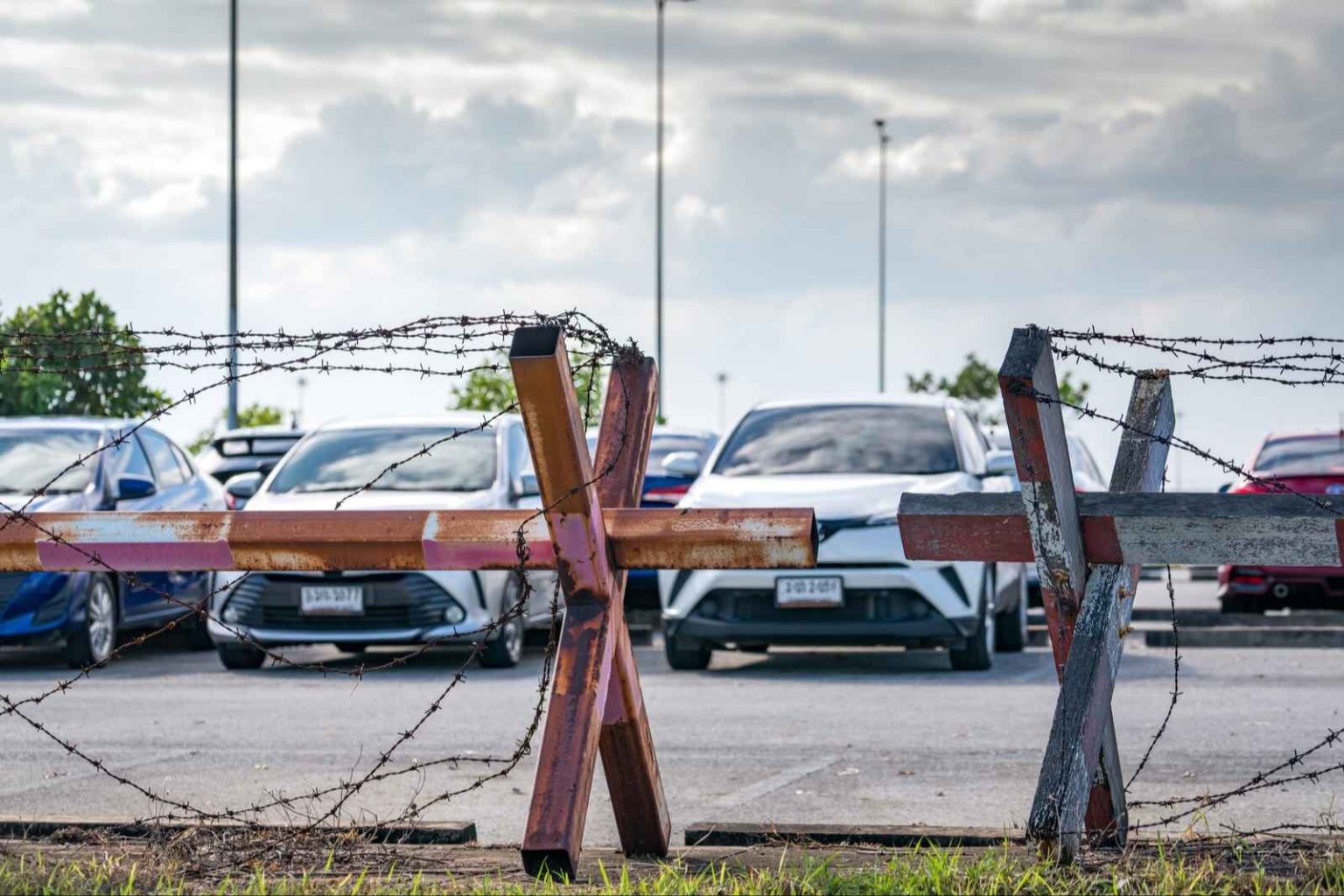
Cheap Repossessed Cars Canada: Why They’re Affordable
Repossessed cars, police impounds, and government seizures in Canada are often sold quickly to recover debts or clear storage. That urgency drives prices lower than retail. You’ll see bargains, but you must account for fees, limited inspection windows, and as‑is conditions. Vehicles may be in clean, rebuilt, or salvage status, and your approach should match the title type and your risk tolerance.
- Forced-sale pricing: Lenders and agencies sell fast, not for top-dollar. That spreads more savings across mainstream models (Civic, Corolla, Escape) where demand is highest.
- As‑is conditions: You buy without a test drive and with limited or no warranty. Smart prep—VIN history checks, preview days, and setting hard budgets—keeps you protected.
- Fees and taxes: Buyer’s premiums, document fees, storage or gate fees, plus HST/PST/GST can add 8–15% or more to your final total. Always include them in your math.
How to Find Seized Cars in Canada
Canadians have several pathways to find seized and repossessed vehicles online and in person. Start with the major auction and marketplace operators below, then add local lender auctions and municipal sales.
- Copart Canada: Nationwide coverage for clean-title, rebuilt, and salvage vehicles with large weekly volumes. Requires membership; many buyers use brokers for bidding support. Explore at Copart Canada.
- IAA Canada: Broad selection across provinces; filter by run-and-drive status, title type, and damage categories. Visit IAA Canada.
- OPENLANE Canada: A wholesale marketplace used by dealers to source trades, lease returns, and repossessed units. Consumers typically access this via a licensed dealer or buying service. Learn more at OPENLANE Canada.
- RepoDepo: One of the better-known consumer-facing repossession sellers. See the step-by-step process at RepoDepo – How It Works.
- AuctionExport: If you’re open to cross-border deals, this service helps Canadians buy from U.S. auctions and handle shipping/customs. Start at AuctionExport.
Where to Find Government Seized Cars
Government vehicles and seizures are commonly sold through federal surplus auctions, provincial sheriff sales, and municipal police auctions. Listings rotate and calendars change, so monitor schedules regularly.
- Federal surplus: Passenger cars, SUVs, and trucks from departmental fleets or seizures may appear periodically. Expect varying mileages and generally solid maintenance on ex-fleet units.
- Provincial sheriff auctions: Court-ordered and enforcement seizures sell as-is. Ensure you verify ownership, lien status, and storage or towing costs before bidding.
- Municipal and police auctions: Cities and police services dispose of unclaimed vehicles and decommissioned units. Stock can be sporadic, but deals can be strong on older, high-mileage cars and work trucks.
Guide to Buying Repossessed Vehicles
Whether you’re chasing a daily driver or a project car, a repeatable process will save you time and money.
- Define your target: Choose 2–3 models, set max mileage, acceptable title status (clean vs rebuilt), and your “walk-away” price. Keep fees and taxes in your spreadsheet.
- Set up accounts: Create buyer profiles where needed and verify payment methods (bank draft, wire, or credit card for deposits). Some platforms require refundable deposits.
- Research the VIN: Pull a history report to check for accidents, mileage gaps, insurance total-loss records, open recalls, and import/export flags.
- Preview in person: When available, attend preview days to examine tires, fluids, interior wear, panels, and glass. For salvage vehicles, look carefully at frame rails, aprons, and airbag deployment signs.
- Estimate repairs: Plan for a safety inspection, tires/brakes, battery, and fluids at minimum. For damaged units, get body/paint and alignment estimates beforehand.
- Bid with discipline: Auctions move fast. Enter your absolute ceiling including premiums and taxes—and don’t exceed it.
- Complete paperwork fast: Once you win, pay promptly to avoid storage fees. Arrange pick-up or shipping immediately and schedule your provincial inspection if required.
Sample Auction Pricing and Fee Considerations
The figures below reflect typical winning-bid ranges seen for common Canadian auction vehicles. Your results will vary by province, season, mileage, condition, and title status. Always add buyer’s premiums, doc fees, HST/PST/GST, and any transport or safety costs.
| Vehicle Example | Source / City | Typical Winning Bid (CAD) |
|---|---|---|
| 2016 Honda Civic LX (150–190k km) | Copart — Toronto, ON | $6,500–$8,200 |
| 2017 Ford Escape SE (140–180k km) | IAA — Edmonton, AB | $5,200–$6,800 |
| 2018 Toyota Corolla LE (110–160k km) | RepoDepo — Vancouver, BC | $8,000–$9,500 |
| 2015 Dodge Grand Caravan SXT (180–230k km) | Sheriff Auction — Winnipeg, MB | $3,800–$5,200 |
| 2019 Hyundai Elantra Preferred (90–140k km) | Dealer Wholesale via OPENLANE — Montréal, QC | $9,500–$11,000 |
| 2014 BMW 328i xDrive (160–210k km) | Copart — London, ON | $7,000–$9,000 |
| 2020 Kia Soul EX (70–110k km) | Police Auction — Halifax, NS | $9,000–$11,500 |
| 2013 Toyota RAV4 LE (180–240k km) | IAA — Regina, SK | $6,000–$7,500 |
Due Diligence: Inspections, Lien Checks, and Insurance
Protect your savings by verifying what you’re buying. Pull a vehicle history report to confirm mileage and past claims. In provinces that allow it, request a lien search to ensure the vehicle isn’t encumbered. If the unit is salvage or rebuilt, check provincial inspection requirements, potential insurance restrictions, and whether your insurer will underwrite comprehensive/collision coverage. For out-of-province or U.S. units, plan for inspections and any Registrar of Imported Vehicles (RIV) steps before registration.
- Mechanical triage: Budget for tires/brakes, battery, fluids, and a full safety. Set aside a contingency (often $1,000–$2,000) for surprises on higher-mileage or damaged units.
- Title clarity: Clean titles are easiest to insure and finance. Rebuilt vehicles can be good values but confirm quality of repairs with a trusted shop.
- Keys and modules: Verify presence of keys, fobs, and whether immobilizer programming is needed—costs can add up quickly.
Financing, Fees, and Budgeting
Most auction transactions require rapid payment—often the same or next business day—by bank draft or wire. If you need financing, secure pre-approval and confirm your lender accepts auction purchases. Build a complete cost model including hammer price, premiums, taxes, transport, inspection, and immediate reconditioning. This keeps “cheap repossessed cars Canada” outcomes genuinely affordable once on the road.
- Common fees: Buyer’s premium (percentage or tiered), documentation, gate/storage, plate/permit, and provincial/federal sales tax.
- Transport: Non-runners and out-of-province wins may require flatbed or carrier transport. Get quotes before bidding.
- Timeline: Delays lead to storage fees. Book payment, pick-up, and inspection appointments in advance.
Local Tips for Columbus Shoppers
Every market moves differently. In Columbus, compare multiple auction yards within a 200–300 km radius to widen choice and reduce bidding wars. Ask local mechanics about model-specific trouble spots, and price common repairs in your area so you can bid with confidence.
Trusted Platforms and Resources
When you’re ready to browse inventory, set alerts on multiple services and watch a few sales to learn the rhythm and fees before your first bid:
- Copart Canada for broad national coverage and high volume.
- IAA Canada for extensive run-and-drive and salvage listings.
- OPENLANE Canada via a dealer partner for wholesale-only access.
- RepoDepo – How It Works to understand a consumer-friendly repossession flow.
- AuctionExport if you plan to source U.S. units and import into Canada.
Bottom Line
If you combine diligent prep with a disciplined ceiling price, seized and repossessed vehicles can deliver excellent value in Canada. Start by choosing the right platforms, researching the VIN, and building a complete, all-in budget. With that playbook, you can find real savings—without surprises—at lender repossessions, police impounds, and government surplus auctions.