Stretch your rent dollars further without sacrificing safety or convenience. Discover where the best budget opportunities are hiding across Canada. Start your search with tactics and tools that actually surface deals on apartments.
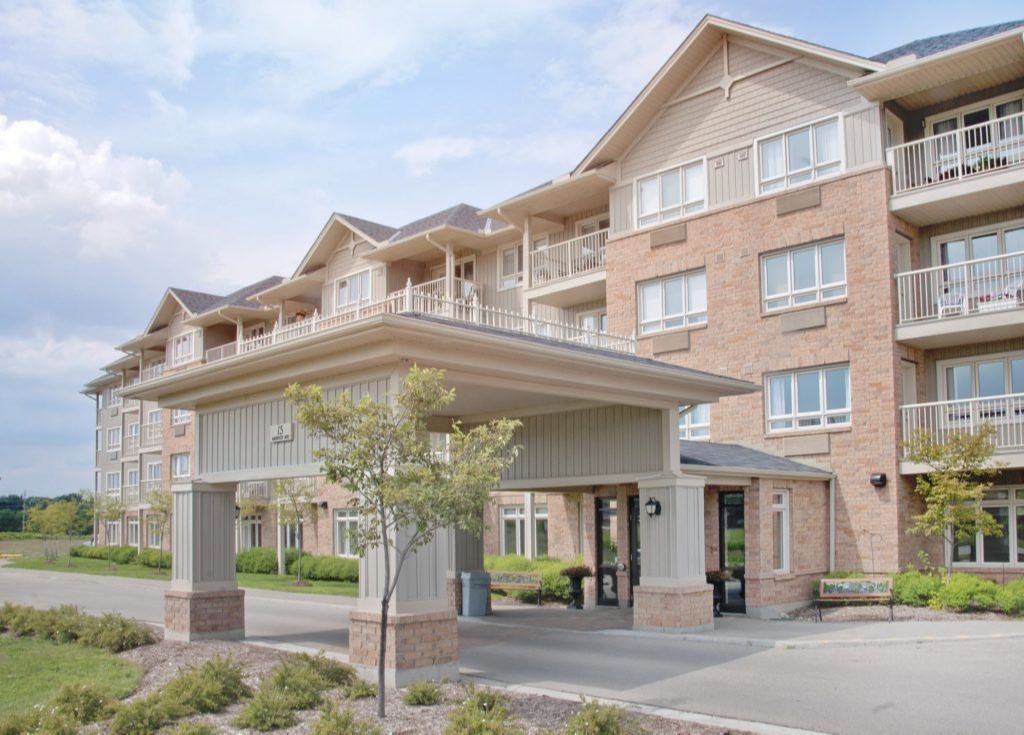
Canada 2026 Rental Snapshot: What “Cheap” Really Means
Finding a cheap apartment in Canada in 2026 is less about luck and more about aligning location, timing, and strategy. As a rule of thumb, aim to keep rent at or under 30% of your gross monthly income; for many households, that means targeting one-bedrooms or well-located studios and basement suites rather than newer luxury builds. Outside the highest-cost cores, older low-rise buildings, secondary suites, and lease takeovers often deliver the best value.
To gauge fair prices and identify the most promising regions, compare multiple sources and watch market updates. A helpful overview of the most affordable markets this year can be found on liv.rent’s Most Affordable Places to Live in Canada (2026), which complements your on-the-ground searches with trend insights.
Top Budget-Friendly Cities for Renters
While “cheap apartments Canada 2026” is a national hunt, several cities regularly stand out for value. Consider these destinations if you’re flexible on location:
- Winnipeg, MB: Consistently competitive one-bedroom rates, with many older walk-ups offering heat included and transit-friendly neighbourhoods.
- Regina and Saskatoon, SK: Good supply of purpose-built rentals and secondary suites; prices remain lower than major metros.
- Quebec City, QC: Historic low-rise stock keeps averages reasonable, especially outside tourist-heavy zones.
- Edmonton, AB: Ample inventory and frequent incentives like free parking or a month of rent credit help reduce effective costs.
- Moncton and Saint John, NB: Smaller markets with rising demand but still attainable rents compared to large coastal hubs.
To widen your city shortlist and compare asking rents, begin with national marketplaces such as Rentals.ca and the regional coverage on RentBoard. Cross-check prices and availability before planning a relocation.
Find Affordable Apartments in Canada: Best Platforms
Use multiple platforms to ensure you don’t miss hidden gems or short-lived deals. These resources pair well together:
- Rentals.ca: A nationwide directory with filters for price caps, pet policies, and move-in dates. Start broad, then narrow to neighbourhoods with consistent value. Visit Rentals.ca.
- RentBoard: Especially useful in mid-size and smaller cities; handy for student, basement, and budget-friendly finds. Explore RentBoard.
- FindAllRentals: Curated “cheap” lists can shortcut your search; pair it with alerts to pounce on new postings. Check FindAllRentals.
- Consider ownership paths: If your rent would rival a modest mortgage, monitor low-priced listings to compare monthly outlay. See the “price low-to-high” board on Properstar for entry-level apartment and house options.
- Affordability research: Track cities trending cheaper with liv.rent’s 2026 guide, then verify on the listing platforms above.
Sample Cheap Apartment Starting Rents (Early 2026)
The following table shows illustrative “starting from” one-bedroom rents commonly seen on national platforms in early 2026. Your results will vary by neighbourhood, building condition, and timing. Use this as a directional benchmark, then verify live listings on the resources linked above.
| City/Region | Platform/Source | Cheap 1BR Starting From (CAD) |
|---|---|---|
| Winnipeg, MB | Rentals.ca | $950 |
| Regina, SK | RentBoard | $950 |
| Saskatoon, SK | Rentals.ca | $1,000 |
| Edmonton, AB | FindAllRentals | $1,100 |
| Calgary, AB | Rentals.ca | $1,350 |
| Quebec City, QC | RentBoard | $1,050 |
| Montreal, QC | Rentals.ca | $1,300 |
| London, ON | RentBoard | $1,400 |
| Halifax, NS | Rentals.ca | $1,550 |
| Saint John, NB | FindAllRentals | $1,000 |
| Moncton, NB | Rentals.ca | $1,050 |
| Toronto, ON | Rentals.ca | $2,000 |
| Vancouver, BC | RentBoard | $2,300 |
| Windsor, ON | FindAllRentals | $1,200 |
Note: Values are illustrative starting points commonly seen on national platforms in early 2026 and can change quickly by neighbourhood and building condition.
Guide to Cheap Rentals in Canada: Step-by-Step
- Set a hard budget and automate filters: Cap your max monthly rent and exclude buildings that bust your target. Save searches on Rentals.ca and RentBoard.
- Expand your map: Look one or two transit stops beyond downtowns; price drops can be dramatic with minimal commute trade-off.
- Prioritize older, well-maintained stock: 1960–1990s low-rise or mid-rise buildings often include heat/water, cutting utilities.
- Hunt off-peak: Winter and mid-month listings see less competition; landlords may negotiate for earlier occupancy.
- Target basement and secondary suites: These can undercut purpose-built rents and may include utilities or Wi‑Fi.
- Use alerts and move fast: Create instant notifications on FindAllRentals and other sites; book viewings same day.
- Negotiate total cost, not just rent: Ask about free parking, storage, or a pro-rated first month to lower effective rent.
- Consider roommates and den conversions: Two-bed splits can beat solo one-bed costs without sacrificing privacy.
- Keep documents ready: Employment letter, references, and credit report help you secure first-come opportunities.
Localize Your Search in Columbus
Every Columbus has its own affordability map. Identify three neighbourhoods: one “aspirational,” one “target,” and one “safety” option that’s reliably cheaper. Use these quick actions:
- Transit-first mapping: Filter within a 30–40 minute commute radius via major busways or rail lines to find value pockets.
- Micro-neighbourhood checks: Compare streets within the same postal code; older walk-ups a few blocks off main corridors can be notably cheaper.
- Timing tactics: Scan listings at 8–10 a.m. and 7–9 p.m. daily; many landlords post outside work hours.
- Stack incentives: Ask about move-in specials, then bundle with a longer lease for extra savings if you’re certain about staying.
Lease Terms, Utilities, and Protections
Before signing, understand the fine print that can make a “cheap” home unexpectedly costly:
- Utilities: Confirm which are included. Heating type matters—electric baseboard can add significantly in winter compared with central hot water or gas.
- Deposits and fees: Ask about keys, parking, pet rent, and storage. Small monthly add-ons can erode your savings.
- Rent increases: Rules differ by province. Learn your province’s guidance and any applicable caps or notice periods via official housing authorities.
- Condition reports: Photograph move-in condition and record appliance serial numbers; this helps avoid disputes on exit.
- Insurance: Tenant insurance is inexpensive and protects against liability and losses—often required by landlords.
Stretch Your Dollars: Incentives and Alternatives
- Lease takeovers and assignments: Tenants exiting early may offer discounted rents or cover your first month—watch for these on major listing sites.
- Co-ops and non-profit housing: Waitlists exist, but costs can be far lower; monitor local housing organizations.
- Longer lease terms: Locking in 12–24 months can sometimes secure a better rate or extra move-in perks.
- Work-from-anywhere relocation: If your job allows, opt for value cities like Winnipeg, Regina, or Moncton and upgrade space without overspending.
The Bottom Line
The keys to finding truly affordable apartments in Canada are flexibility, speed, and cross-platform diligence. Start with macro research on 2026 affordability, shortlist budget-friendly cities, and then compare live listings daily across Rentals.ca, RentBoard, and FindAllRentals. If rents rival ownership in your target area, benchmark monthly costs against entry-level homes on Properstar’s low-to-high feed. With the right playbook, “Find Affordable Apartments in Canada” becomes a repeatable process—not a stroke of luck.